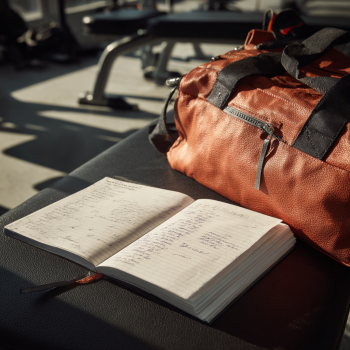
Progress tracking is one of the most underrated tools in training. If you’re not tracking, you’re guessing—and I don’t like to guess when it comes to results. I keep a simple workout journal where I log sets, reps, weights, and even how I felt during the session.
Sometimes I use apps, but pen and paper work just as well. The key is consistency. It helps me spot trends, plateaus, and areas that need work. If I lifted 40kg last week and 42.5kg this week, that’s progress—even if it feels small.
Progress isn’t always weight-based either. More reps, better form, shorter rest—all of it counts. It’s about growth, not perfection.
Jean Paul Rivas
