Starting a fitness journey can be exciting and rewarding, but it can also be daunting and overwhelming. As a beginner, it’s natural to make mistakes along the way. Here are some common mistakes that people starting fitness often make:
Not having a clear goal or plan. It’s important to have a specific and achievable goal in mind, as well as a plan to reach it. Without a goal, it’s easy to lose motivation and get sidetracked.
Not seeking professional advice. Before starting a new exercise routine, it’s important to consult with a qualified fitness professional. They can help you design a safe and effective program that meets your needs and goals.
Overdoing it. Many people starting fitness make the mistake of trying to do too much too soon. This can lead to burnout, injury, and even discouragement. It’s important to start slow and gradually increase intensity and duration over time.
Not being consistent. Consistency is key to success in fitness. It’s important to make exercise a regular part of your routine and stick with it. This can be challenging, but the rewards are worth it.
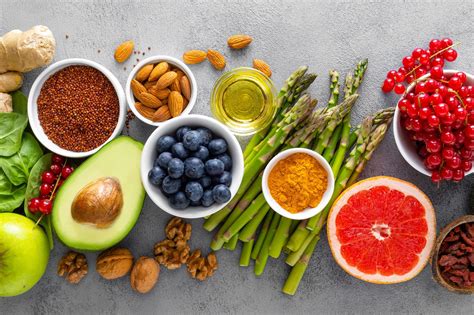
Not eating well. Exercise is only part of the equation when it comes to achieving your fitness goals. Proper nutrition is also crucial. Eating a balanced diet that includes plenty of fruits, vegetables, lean proteins, and whole grains will fuel your workouts and support your overall health.
Not challenging yourself. To see progress and avoid boredom, it’s important to challenge yourself and try new things. This might mean trying different exercises, increasing weight or intensity, or adding new activities to your routine.
By avoiding these common mistakes, you can set yourself up for success and make the most of your fitness journey. Remember to be patient, consistent, and persistent, and you’ll be on your way to achieving your goals.
Starting a fitness journey can be intimidating, especially if you’re new to the world of exercise and healthy living. But don’t worry, we’ve got some tips to help you get started and make your fitness journey a success.
Set realistic goals. It’s important to have a clear idea of what you want to achieve with your fitness journey, whether it’s losing weight, building muscle, or improving your overall health. But be realistic about what you can accomplish in a short amount of time. Start small and work your way up to bigger goals.
Find a workout that you enjoy. The key to sticking with a fitness routine is to find an activity that you actually enjoy. This could be anything from running to yoga to weightlifting. The important thing is to find something that motivates you and keeps you coming back for more.
Get a workout buddy. Having a workout partner can help keep you accountable and motivated. Plus, it’s more fun to exercise with a friend.
Don’t be afraid to ask for help. If you’re not sure how to do a certain exercise or if you’re unsure about what workout routine is right for you, don’t be afraid to ask for help. There are plenty of resources out there, from personal trainers to online forums, that can provide guidance and support.
Stay hydrated and fuel your body. Proper hydration and nutrition are essential for a successful fitness journey. Make sure to drink plenty of water throughout the day and fuel your body with healthy, nutrient-rich foods.
By following these tips, you’ll be well on your way to starting a successful fitness journey. Remember to be patient and consistent, and you’ll see the results you’re looking for. Happy exercising!
Eating optimally to lose weight can be a daunting task, especially for beginners. However, with the right approach, it can be a simple and effective way to shed those unwanted pounds. Here are some tips on how to eat optimally to lose weight:
Plan your meals: Before you even step into the kitchen, plan out your meals for the day. This will help you stay on track and avoid reaching for unhealthy snacks. Make sure to include a balanced mix of protein, healthy fats, and complex carbohydrates in each meal.
Choose healthy, whole foods: Processed and packaged foods are often loaded with added sugars and unhealthy fats, which can derail your weight loss efforts. Instead, opt for whole, unprocessed foods like fruits, vegetables, lean protein, and whole grains. These foods are packed with nutrients and will help keep you feeling fuller for longer.
Drink plenty of water: Water is essential for weight loss and overall health. It helps flush out toxins, keeps you hydrated, and can even help you feel fuller, which can prevent overeating. Aim to drink at least eight 8-ounce glasses of water per day.
Don’t skip meals: Skipping meals might seem like a quick way to cut calories, but it can actually have the opposite effect. When you skip meals, your body goes into starvation mode and starts to hold onto fat. This can slow down your metabolism and make it harder to lose weight. Instead, eat regular, balanced meals throughout the day.
Portion control: Portion sizes can make a big difference when it comes to weight loss. To avoid overeating, use smaller plates and bowls, and measure out your portions. This will help you avoid consuming more calories than you need.
Eating optimally to lose weight is all about making healthy, balanced choices. By planning your meals, choosing whole foods, staying hydrated, and controlling your portions, you can set yourself up for weight loss success.
Biceps training is an essential part of any comprehensive fitness routine. Not only do strong biceps help to improve the overall appearance of your arms, but they also play a crucial role in many everyday activities such as lifting, carrying, and pulling.
There are a few key exercises that are essential for biceps training. The first is the traditional biceps curl, which can be performed with a variety of different equipment such as dumbbells, barbells, or resistance bands. This exercise targets the biceps muscles and helps to build strength and size.
Another important biceps exercise is the hammer curl, which is similar to the biceps curl but is performed with a neutral grip (palms facing each other). This variation targets the biceps as well as the forearms and shoulders, providing a more comprehensive arm workout.
Incorporating these exercises into your fitness routine can help to improve the strength and appearance of your biceps. It’s important to perform a variety of different movements and to increase the weight gradually as you progress in order to continue challenging your muscles and promoting growth.
In addition to these exercises, it’s also important to incorporate other upper body workouts such as push-ups, rows, and tricep dips to create balanced arm development.
Biceps training can be incorporated into both full-body and upper body workouts, and can be performed 2-3 times per week for optimal results. So if you want to build strong, toned arms, be sure to include biceps training in your fitness routine.
Training your legs efficiently is essential for overall body strength and fitness. Whether you’re a beginner looking to improve your lower body strength or a seasoned athlete looking to take your performance to the next level, focusing on your legs is crucial.
Here are some tips to help you train your legs efficiently:
1. Start with compound exercises: Compound exercises are those that involve multiple muscle groups, and they’re great for working your legs efficiently. Some examples of compound leg exercises include squats, deadlifts, and lunges. These exercises not only target your quadriceps, hamstrings, and glutes, but they also engage your core and upper body muscles, making them a great overall workout.
2. Don’t neglect your lower body: Many people focus on their upper body and forget about their lower body. This can lead to imbalances and injuries down the road. Make sure to include lower body exercises in your workout routine at least twice a week.
3. Vary your workouts: Doing the same leg exercises over and over can lead to plateaus and boredom. Mix up your workouts by incorporating different leg exercises and using different equipment. This will not only keep things interesting, but it will also challenge your muscles in new ways and help you see continued progress.
4. Focus on form: Proper form is crucial when training your legs to avoid injuries and maximize your results. Make sure to engage your core, keep your back straight, and avoid swinging or jerking the weight. If you’re unsure of the correct form, consider working with a personal trainer or watching instructional videos.
5. Incorporate plyometrics: Plyometrics, or jump training, is a great way to add power and explosiveness to your legs. Examples of plyometric exercises include box jumps, jump squats, and lateral jumps. These exercises can be challenging, so make sure to start slowly and increase the intensity gradually.
Training your legs efficiently is essential for overall body strength and fitness. By incorporating compound exercises, focusing on your lower body, varying your workouts, and using proper form, you can take your leg training to the next level and achieve your fitness goals
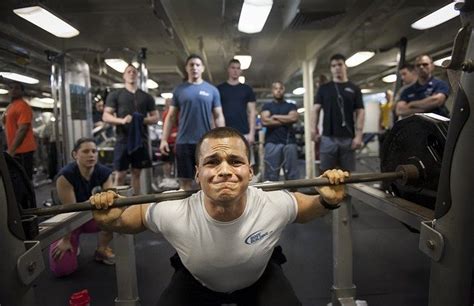
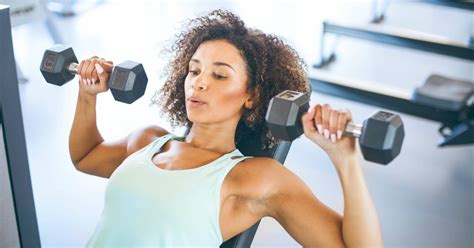
No matter what your age, fitness experience, or fitness goals are, incorporating weight training into your exercise routine can be really beneficial for your health and wellbeing.
At first, lifting weights may feel intimidating but don’t worry – this feeling is normal. This guide is here to help you understand the fundamentals of lifting weights, so you can feel more confident when you step in the gym.
Starting something new can take you out of your comfort zone, but acknowledging these feelings and knowing that they’re only temporary can help put you in a positive mindset from the get-go. Everyone in the gym was once a beginner, so while you may not be completely confident at the start, with practice you will definitely get better!
Benefits of Weight Training
So why should we weight train? Weight training can provide a whole host of benefits, from physical health benefits, such as improved strength and building muscle, to mental health benefits like improved mood and reduced anxiety. And these are just a few to name. Find out more on the many amazing benefits of weight training here .It doesn’t only improve how we function in the gym, but in our day to day life too, which is why it’s so highly recommended for our wellbeing. The NHS recommends two or more muscle-strengthening exercises a week which focus on all muscle groups, and weight training in the gym can be a great way to meet these recommendations.
How to get started with lifting with weights
If it’s your first time lifting weights, the thought of going to a fixed-resistance machine or the free weights area to complete a workout may feel a bit daunting. But rest-assured, once you familiarise yourself with the gym, the equipment and practicing performing weighted exercises, you’ll soon wonder why you were so nervous in the first place.
Step One:
The first step we recommend is to find out where the weight training equipment is in your gym. Each of our PureGym locations has a cardio area, fixed-resistance area, fitness studio, and free weights area, and most also have a functional training area. The three main areas where you would find weight training equipment is the fixed-resistance machines area, free weight area, and functional area.
Fixed-resistance area
Free weights area
Functional area
If you prefer to have someone show you around our gym, you can book into an induction where you will be guided by a staff or personal trainer around the gym floor, providing a great opportunity to ask any questions you may have about the kit or weight training. Knowing where everything is can help give you peace of mind when navigating your way around the gym.
*Please make sure to get clearance from your Doctor or qualified health professional if you have any existing medical conditions or injuries before you start exercising.
Step Two:
Having a strong purpose behind your training is important, as this will direct your approach and give meaning to the efforts you put in at the gym. Do you want to learn how to deadlift? Do you want stronger arms to be able to pick up your growing kids? Do you want to improve your body composition?
Write down the goals you would like to achieve so you can start planning your weekly workouts. You can read our guide on how to set fitness goals to help you complete this step.
Step Three:
Now that you’ve got your goals, it’s time to align these with what you do in the gym. There’s no one right way to achieve your goals, so don’t sweat it trying to come up with the perfect plan. The main thing is to get started and do what feels right for you and what meets your needs.
It’s also a good idea to familiarise yourself with exercises using weights. You can check out our free Exercise guide with a range of weight-bearing exercises, which includes videos demonstrating exercises targeting different body parts and step-by-step instructions. This can help you gain more confidence when you do your workouts.
Step Four:
When you come to doing your workout, make sure to warm up beforehand and cool down after, as doing so is important for injury prevention.
For the first few weeks you probably want to work on making the gym a weekly habit, as well as learning how to perform exercises safely and correctly. You might find that you’re not getting a sweat on, and you may feel like you’re not getting enough of a workout in, but during this starting phase, it’s really important to focus on good technique to avoid injury – doing so will allow you to get the most out of your workouts in the long run. Quality over quantity is key here! Also make sure you give yourself ample time to rest in-between sessions!
You may find yourself regularly wondering “Am I doing this right?” which is perfectly normal. If at any point you feel you’re not sure how to use equipment or perform exercises and you’d like some guidance, our staff and the personal trainers in the gym will be happy to help you, so don’t be afraid to ask for help.
There will be a learning curve at the start but over time, you’ll find that you will get more and more comfortable in weight training. You’ll also start to notice improvements in your strength and overall health, and no doubt you’ll be wondering why you didn’t start this sooner!
As you prepare yourself a nice dinner, you may think to pair the meal with a nice wine. Or perhaps the weekend rolls around and you plan social outings with friends or relatives, in which you think to indulge in a few drinks.
However, if you’re in preparation for a fitness event or care a lot about your performance in the gym — can alcohol still be included in your diet?
Before we dive into how alcohol may affect your body, let’s first review some basic alcohol metabolism.
A Closer Look at Alcohol & Its Effects on Our Bodies
Alcohol contains 7 calories per 1 gram or 0.04 fl. oz. When we consume alcohol, it travels to our liver to be metabolized. Alcohol is quickly broken down into ethanol, which is an extremely toxic by-product. The body’s main priority after alcohol consumption is to metabolize the ethanol into other less harmful by-products which can potentially be used for energy. However, alcohol metabolism disrupts other metabolic pathways that are also responsible for energy production.
To digest and break down carbohydrates and fats for energy, certain molecules are required. Alcohol limits the body’s ability to burn carbohydrates and fatty acids because it hogs these molecules and decreases their availability to do other things! Remember, how we mentioned that the body registers methanol as extremely toxic? Therefore, it will prioritize the breakdown of the methanol before it tries to break down carbohydrates or fatty acids!
Okay, so alcohol interferes with our ability to digest carbs and fats… but does it affect muscle growth? Unfortunately, yes.
3 Ways Alcohol Affects Muscle Growth:
It disrupts protein synthesis
Alcohol inhibits signals to build proteins
Alcohol reduces insulin resistance – which is a stimulator of muscle growth
#1 Alcohol Disrupts Protein Synthesis
Muscle tissue is in a constant flux of building and breakdown. When we exercise, various signaling pathways are activated to release amino acids from our muscles to help build new ones. To BUILD muscle, we need to consume dietary protein. The process of building new muscle is called protein synthesis. When alcohol is ingested, it inhibits or disrupts certain signaling pathways that tell the body to build muscle.
#2 It Inhibits Signals for Building Proteins
Additionally, it is also speculated that because alcohol inhibits signals to build proteins — this allows for activation of molecules that are responsible for muscle wasting. While signaling pathways are disrupted, studies have shown that total amino acid content is not decreased.
#3 Alcohol induces insulin resistance
Furthermore, alcohol induces insulin resistance. Insulin is a potent stimulator of muscle growth and is responsible for the absorption of carbohydrates into muscles. With limited absorption ability, muscle growth and recovery are impaired.
However, it doesn’t end there… Alcohol affects men and women differently…
How Alcohol Affects men Versus Women
Fun fact ladies! Alcohol seems to have a more profound effect on muscle metabolism in men!
Alcohol seems to affect protein syntheis in males more than females.
A study showed that alcohol affected signalling pathways in men but not women.
In rat models, the effects of alcohol on protein synthesis were seen more commonly in male rats with little to no effect in females. In human studies, similar findings are still present.
In one study that looked at the effects of alcohol consumption in physically active males, there was a significant reduction in muscle protein synthesis (37%) when 1.5g/kg of alcohol was consumed after exercise. Even when 20-30g of protein was consumed in combination with alcohol, muscle protein synthesis was still reduced by 24%! For a man weighing 160 lb., that’s roughly 8 drinks.
Another study that compared the effects of alcohol on muscle protein synthesis following exercise in both men and women, found that alcohol only affected signaling pathways in men but not women. However, it should be noted that women are more sensitive to the long-term health effects of drinking. So, ladies, still not an excuse to try and out-drink your male counterparts.
Alcohol and Testosterone
As you can imagine by this point if alcohol interferes with carbohydrate, fat, and protein metabolism it most likely interferes with our hormones as well. And you’d guess correctly because it does! Let’s talk about our favorite hormone involved in muscle growth… Testosterone.
Both acute and chronic ingestion of alcohol lower testosterone. While the mechanisms aren’t fully understood yet, studies in male rats have shown that alcohol use largely affects the hypothalamic-pituitary-gonadal system, leading to lower levels of testosterone, decreased sperm production, and altered production of other reproductive hormones. The belief is that alcohol damages the cells that produce testosterone and causes inflammation in the body that suppresses testosterone production.
And as mentioned, alcohol affects many other hormones that are responsible for your performance in the gym as well!
Alcohol & Cortisol
Alcohol increases cortisol. If levels are elevated for long periods, this can lead to increased tissue breakdown. Alcohol decreases growth hormone which has negative effects on blood sugar maintenance and metabolism of muscles, bones, and the brain. Alcohol decreases luteinizing hormone, which in turn reduces testosterone production. Alcohol increases estrogen, which can have feminizing effects in males.
On top of the changes, alcohol induces on metabolism and hormones, it also creates damaging products in our body that damage cells. As mentioned previously, the body registers alcohol as very toxic. When alcohol is metabolized it creates reactive oxygen species, which are molecules that cause a lot of damage to other cells in the body.
So how much alcohol is too much? Where does the threshold exist before you start to do some serious damage to your fitness goals?
How Much Alcohol Is Too Much for Fitness?
While we all know “drinking in moderation” won’t incur any damaging health effects, many of us would like to know a number to have a clear understanding of “moderation.” According to research, consumption of 0.5g/kg of alcohol or less won’t have an impact on muscle recovery following exercise. For someone who weighs 120 lb., that’s about 2 drinks. For someone who weighs 180 lb., that’s about 3 drinks. Sounds about standard when we think of the recommended number of drinks for men and women, right?
Ideally, consuming 0.5-1g/kg of alcohol now and then won’t reverse all your hard work in the gym. However, as that number increases to 1.5 or even 2g/kg some serious negative impacts are observed. Referencing back to the study mentioned earlier, 1.5g/kg of alcohol or 8 drinks for someone weighing 160 lb. decreased muscle protein synthesis by 37%! Imagine the level of damage that occurs when that number is surpassed?
Alcohol and Fat Gain
Aside from muscle growth, excessive alcohol consumption also leads to fat gain. One of the metabolic products from alcohol breakdown is Acetyl-CoA. This molecule can be used to enter different energy pathways, one of them being triglyceride (or fat) formation.
Are there any hacks to alcohol consumption for fitness goals?
Well, to maintain peak performance in the gym, all alcohol should be avoided. However, some studies show if protein consumption is high and alcohol is consumed, the protein does seem to slightly blunt the damaging effects of alcohol.
Carbohydrate consumption combined with alcohol consumption seems to have no benefit in preventing muscle breakdown. The only benefit it will provide is to decrease the rate at which alcohol is traveling to the liver to prevent excessive alcohol in the bloodstream.
Overall, alcohol is not the most beneficial beverage when it comes to enhancing strength or performance. While it should be avoided, it’s also very prevalent in the diets of almost every culture. So, drink responsibly and drink in moderation!
Jackie Kaminski is a registered dietitian/ nutritionist with a Master’s degree in Exercise Physiology & Sports Nutrition from Florida State University. Her first introduction to working with professional athletes was back in 2017 when she worked at the UFC performance institute in Las Vegas, Nevada. Since then, Jackie has worked with various professional fighters and other clientele and now operates under her company she started back in March, The Fight Nutritionist LLC. The Fight Nutritionist is dedicated to providing the most effective nutrition plans to ensure her athletes are performance at their absolute best. All of her plans are individualized to the athlete and are backed by the latest research to ensure complete safety and efficacy. Jackie is also a member of the international society of sports nutrition, where she often participates in different research projects and data collection with other ISSN members from Nova University. When Jackie isn’t working, you can find her at Combat Club where she trains kickboxing and Muy Thai. As a sports dietitian, Jackie’s aim is to provide her athletes with the necessary fuel to excel in training and provide the proper education to ensure her athletes are engaging in the safest health practices (as they relate to combat sports).
Stress stimulates appetite, it increases abdominal fat, it increases risks for disease and it can even play a role in our intimate relationships.
The list could keep going, but what exactly is stress and how is it connected to all these consequences? This guide will provide you with a thorough understanding of many aspects of stress.
A definition of stress
The harms and benefits of stress
How mental perceptions affect stressors
Stress in males vs females
Metabolism
Cortisol – its benefits and detriments
Stress management techniques
Scroll down to get started!
What is Stress?
Stress can be is defined as a nonspecific response to any stimulus that overcomes, or threatens to overcome, the body’s ability to maintain homeostasis (state of equilibrium of the body’s internal biological mechanisms) (1). In other words, when the body is exposed to, or anticipates a stressor, it initiates a response mechanism to help restore a state of equilibrium.
However, it is important to remember that this biological response is essentially the same regardless of the type of stress we impose upon ourselves, and only differs by magnitude of the response needed.
A breakdown of the stress-response mechanism
Our stress-response mechanism is designed to respond to acute physiological stresses – ones that place stress upon our body for only short periods of time (e.g., escaping a sabre-tooth tiger) where we respond with physical work.
We often refer to this mechanism as our ‘fight-or-flight’ response. We either confront the stressor or remove ourselves from it (1). The stress is short-lived and allows ample time for the body to recover from the stress response.
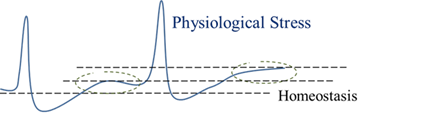
After we remove the stressor, the body theoretically seeks to return to a state of calm to re-establish baseline or homeostasis, or perhaps undergo adaptation to tolerate future exposure to that same stressor better. This recovery phase ensures adequate time for each system (e.g., immune system) to complete any needed recovery, replenishment, repair, or adaptation and is illustrated below.
Mental perception and stress
Is stress harmful to the body? Is it something that should be avoided, managed, and reduced – or should it be embraced and utilized to benefit the body?
While no definitive answer exists, there is emerging evidence to suggest that while the manifestation of stress is mainly physiological, it may be the mental perception or interpretation of stress that ultimately dictates whether it is beneficial or harmful.
In a study conducted by Keller and colleagues, 30,000 individuals were tracked to determine their perceptions of stress and its impact upon mortality (Keller, et al., 2012).
As expected, individuals reporting low levels of stress experienced the lowest levels of mortality. In contrast, those experiencing high levels of stress demonstrated the highest risk of mortality, but the interesting discovery lay with the perception of how stress affected the body.
Those who did identify high levels of stress, but also believed that stress was not harmful to the body demonstrated similar mortality rates to those experiencing low levels of stress. Although this study faced some scrutiny, it paved the way for other studies that examined the same notion of mental perception as a key indicator of the effects of stress.
The two Stress-Response Mechanisms
To better understand this difference, it may be helpful to first review key stress-response mechanisms. Our biological stress response was designed for survival and is regulated by both the neural and endocrine (hormonal) systems.
The nervous system is a rapid-acting, but short-livedcommunication system that functions by transmitting nerve impulses – it reacts very quickly to stimuli, but its effects do not last very long (e.g., the sudden, short-lasting elevation of heart rate when startled).
The endocrine system is a slower-acting, but longer-lasting communication system that functions by hormonal action – it is activated more slowly (sometimes by nerve activity) and its effects may last longer (e.g., the sustained elevation of heart rate during a 60-minute run).
STress Reponses and their physiological influence
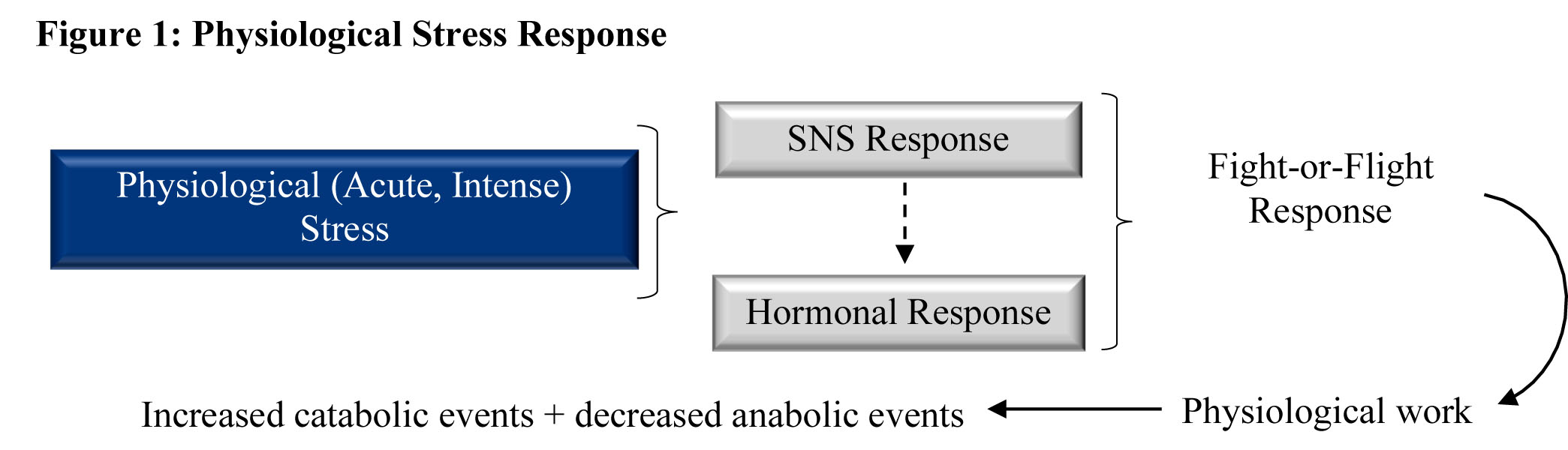
Our ancestors’ primary stressors involved a fight for survival or to the death against a predator or aggressor and the nature of the stress was an intense, acute physiological response (Figure 1).
However, after this brief, but stressful encounter, what followed was ample recovery to return to baseline (state of calm – parasympathetic or PNS dominance).
This allowed each physiological system (e.g., immune system) time to restore and regenerate itself after fighting to maintain homeostasis.
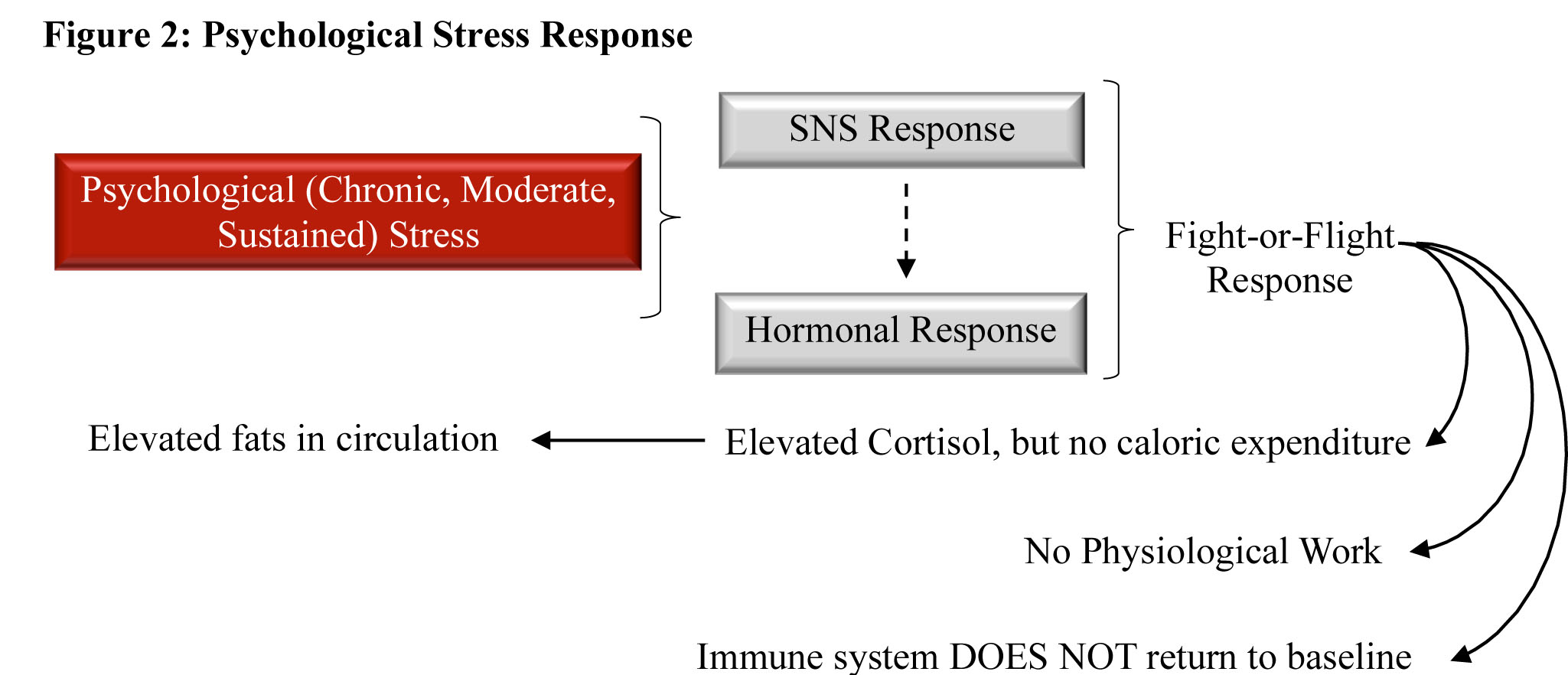
By contrast, today’s stress generally involves lower-intensity, sustained psychological stressors that sometimes never go away (chronic stress, or in extreme cases, PTSD) but accumulate (Figure 2).
For example, you might sleep through your alarm and wake up in a panic late for your meeting, skip breakfast, get delayed by a slow commute, arrive late for a presentation, get reprimanded by your boss, then finally make it to your office whereupon you receive a call that your child is sick and needs to be picked up from school – sound familiar?
These sustained stressors, although smaller individually, accumulate and deny the body that needed time to repair, recover and replenish.
Nonetheless, in either situation (ancestors v. present-day) the body activates its stress response in similar ways, albeit it at different intensities. And while we are familiar with many responses (e.g., increased heart rate and blood pressure, mobilization of stored fats, increased sweat rates), we may be unaware of others that merit concern (Table 1).
For example, elevated levels of epinephrine enhance blood clotting ability by increasing platelet adhesiveness (5). By design, this might be needed to stop one from bleeding to death during a survival fight, but think about this sustained effect upon cardiovascular health.
Ever wonder why you get dry mouth when nervous, why a dog urinates when scared or why you need to run to the bathroom before a big race?
Consider our need for survival – during a stress response, specific systems require additional resources, essentially borrowing from other systems deemed unnecessary during the ‘fight-or-flight’ response (e.g., reproduction, growth, maintenance).
In other words, some systems automatically shut down to provide the needed resources and energy to the critical systems and locations to facilitate survival (e.g., muscles, skin for thermoregulation). An example of this is saliva and digestive enzyme release in the mouth, stomach, and upper GI to facilitate chewing, digestion, and absorption shut down.
In contrast, the lower GI and bladder’s smooth muscle contractility become activated to void unnecessary urine and fecal matter that may slow you down in the event you need to run to survive. We list many of these allocations or resources in the table below.
Table One: Stress Response Influence on Physiological Systems
Events Activated
Events Inhibited
Increased cardiopulmonary responses Increased vessel dilation in the needed location Increased mobilization of fuels Increased blood clotting ability Increased large intestinal contractility Increased bladder contractility Increased immune function – short-term Increased sweat rates
Decreased salivary and digestive enzyme secretion, and digestion Decreased stomach/small intestinal contractility Reduced pain perception (analgesia) Reduced growth, repair, and maintenance Decreased reproduction capacity Immune function – sustained long-term
While these events are undoubtedly tolerable for a brief period (e.g., workout), think about these events’ consequences during a sustained bout of stress.
For example, blood clots more rapidly during an acute episode of stress to prevent excessive bleeding, but think to the health risk of a stroke or embolism if this effect lasted indefinitely?
What is cortisol and what are its benefits?
Cortisol is an essential hormone released from the adrenal gland in response to stress and provides many benefits:
Sparing liver glycogen to ensure blood glucose preservation necessary for important physiological events like oxygen transportation to the brain by our red blood cells can only fuel themselves using glucose.
Promoting the breakdown of stored fat within our adipose tissue to be used as fuel by muscle cells.
Promoting fat uptake into muscle cells during activity.
Suppressing continued cytokine synthesis and release following the acute phase of inflammation – a normal and healthy process. In other words, cortisol helps protect the body from potential detrimental consequences of an overactive immune response by acting in immunosuppressant capacity.
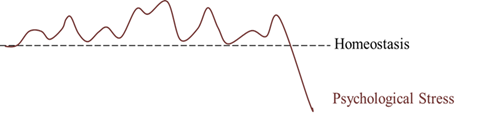
These events are modulated by and during the presence of cortisol under acute bouts of stress. Now, consider how exposure to stress has changed in humans living today. We have shifted from experiencing infrequent, acute, and short bursts of stress followed by periods of recovery to a lifestyle of sustained episodes of stress that do not include periods of recovery, as illustrated below.
The effects of elevated cortisol levels
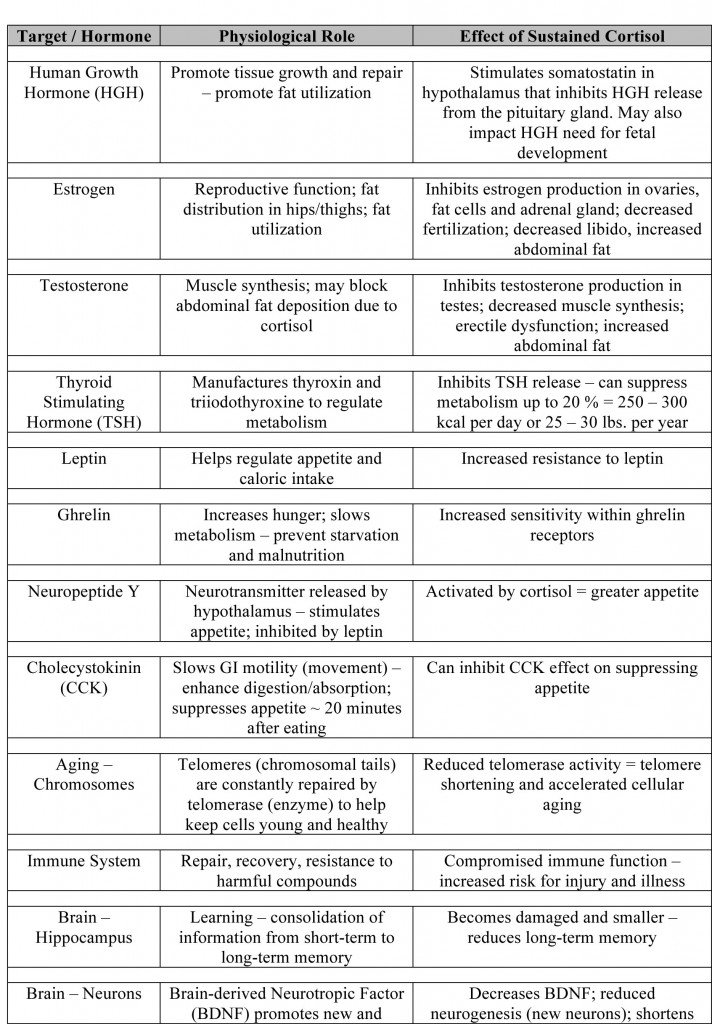
Consider the effects of sustained, elevated cortisol levels on the body’s physiological systems. Many of our planned interventions with clients and athletes focus on controlling appetite, increasing metabolism and fat utilization, building muscle mass, and reducing abdominal fat and overall body fat.
However, under sustained stress and elevated cortisol levels, the actions of many of the hormones responsible for these desirable events are impeded or even inhibited, including:
Stress + Cortisol can lead to an increased desire to eat
Furthermore, stress coupled with elevated cortisol can trigger an increased desire to eat given cortisol’s impact upon neuropeptide Y, a neurotransmitter in the brain that regulates appetites.
What follows eating is an elevation of insulin, which acts to inhibit fat metabolism within the body, another undesirable event.
STress Management Techniques
What stress-coping mechanism can you employ to help reduce your client’s stress levels? In addition to exercise as a stress management technique, there are many different techniques exist that demonstrate varying levels of success and while they should all be considered, select the one(s) most appropriate for your client(s) (7). Examples include:
Deep Breathing (also known as paced breathing; belly, abdominal or diaphragmatic breathing):
Find a place (physically or by clearing your mind) free of distractions.
Close your eyes; and after a few normal breaths, draw in one long-slow breath through your nose engaging your diaphragm (include your chest – apical, if so desired).
Pause momentarily, then slowly exhale through your mouth.
Repeat for 30 – 60 seconds.
Mindful Techniques:
Start by repeating the breathing sequence, but now visualize relaxing scenes or visualize / repeat (slowly) any focus word or phrase that helps you relax.
Practice in a place free of distractions 1 – 2 x per day for a minimum of 10 minutes each time.
Variations of this technique include:
Progressive mind relaxation – gradual intensification of the image, word or phrase.
Mindful meditation.
Yoga, Tai Chi or Qi Gong – including mind-body movements.
Feldenkrais or guided imagery – super-slow (eyes closed) visualization inducing a deeper sense of mindfulness and mental imagery – often used to rehearse before movement.
Body Sensation Awareness:
Noticing subtle sensations (e.g., itching, tingling) without judgment – let them pass (progressive relaxation techniques).
Progressive muscle relaxation – technique of visualizing tension release from muscles using sequential muscle contractions.
Noticing emotions and feelings (e.g., anger, sadness) with judgment – accept them and progressively let them pass (diminish).
Stored Energy Release:
Stress can sometimes create muscle tension.
For example, a gazelle under intense SNS activation that has eluded the interest of a predator proceeds to jump around after stress removal to release muscle tension. Similarly, humans also need physical sources for stress removal (e.g., exercise, punching).
Reprioritization:
Create opportunities to reprioritize matters – following a stressful event, spend time on an enjoyable activity or with person(s) who holds high priority in your life (e.g., hugging/playing with your kids).
This helps prioritize and build perspective.
Social Support:
Studies examining primates and our ancestors demonstrated how females, following bouts of stress, resorted to affiliative behaviors such as grooming and hugging that offers a social calming effect (i.e., lowered blood pressure, cortisol levels).
Research on oxytocin levels in female primates and human ancestors demonstrated more of a friend-and-befriend response rather than a fight-or-flight response, where they tend to their offspring and bond with one another when stressed (8, 9).
For females especially, help plan and develop social support system that offers this same calming effect.
Predictive Information:
Awareness or anticipation of type, magnitude and duration of stress enables development of effective coping mechanisms.
For example, planning ahead for a restaurant meal by reviewing the menu when trying to control caloric intake helps cope with the stress of making a rushed decision.
Information however, must be relevant (i.e., tied to stressful event) and must be time-appropriate (e.g., information provided 3 weeks prior to, or one minute prior to ordering offers little help).
Sense of Control:
Creating impressions of or actually having control of a stressful situation can reduce stress.
Low levels of control plus stress demands = poor stress response, whereas higher levels of control plus stress demands = better stress responses.
With mild-to-moderate stress levels, increased control promotes self-efficacy.
With high stress levels, one may benefit from less control to avoid extreme pressure, desperation or blame should they not succeed.
Cognitive Flexibility:
This involves developing the ability to remove stressors that you do control, but adapting to those stressors you cannot control. In essence, it helps one interpret things as always improving (i.e., positive outlook with glass half full).
The Serenity Prayer by Reinhold Niebuhr, a 20th century Theologian helps summarize this strategy:
“Grant me the serenity to accept the things I cannot change, the courage to change the things I can, and wisdom to know the difference.”
Being able to overcome impostor syndrome.
In conclusion
In closing, we may hear that stress kills. Still, perhaps a more appropriate interpretation is that it is our inability to accommodate or allow appropriate recovery from stress, considering our naturally-designed stress response, and how we perceive the impact of stress upon our lives that is becoming the problem.
As fitness experts, perhaps it is time to retrain how we approach the subject of stress in our programming and exercise selection for clients.
References:
Cannon, W. B., (1926). Physiological regulation of normal states: some tentative postulates concerning biological homeostatics. IN: Pettit, A., & Richet, A.C., Ses amis, ses collègues, ses élèves, Paris, France, Éditions Médicales.
Sapolsky, R. (2010). Stress and Your Body. Chantilly, VA., The Teaching Company. http://www.thegreatcourses.com/tgc/courses/course_detail.aspx?cid=1585. Retrieved 2013-01-21.
Crum AJ, and Langer EJ (2007). Mindset matters: Exercise and the placebo effect. Psychological Science, 18(2):165-171.
Hoehn, K, Marieb. EN. (2010). Human Anatomy and Physiology. San Francisco, CA: Benjamin Cummings
Sapolsky, RM. (2004). Why Zebras don’t get ulcers. New York, NY: Henry Holt and Company, LLC.
Keller A, Litzelman K, Wisk LE, Maddox T, Cheng ER, Creswell PD, and Witt WP, (2012). Does the perception that stress affects health matter? The association with health and mortality. Health Psychology, 31(5), 677.
Selye, H. (1978). The stress of life. New York, NY: McGraw-Hill
The Author
Fabio Comana
Fabio Comana, M.A., M.S., is a faculty instructor at San Diego State University, and University of California, San Diego and the National Academy of Sports Medicine (NASM), and president of Genesis Wellness Group. Previously as an American Council on Exercise (ACE) exercise physiologist, he was the original creator of ACE’s IFT™ model and ACE’s live Personal Trainer educational workshops. Prior experiences include collegiate head coaching, university strength and conditioning coaching; and opening/managing clubs for Club One. An international presenter at multiple health and fitness events, he is also a spokesperson featured in multiple media outlets and an accomplished chapter and book author.
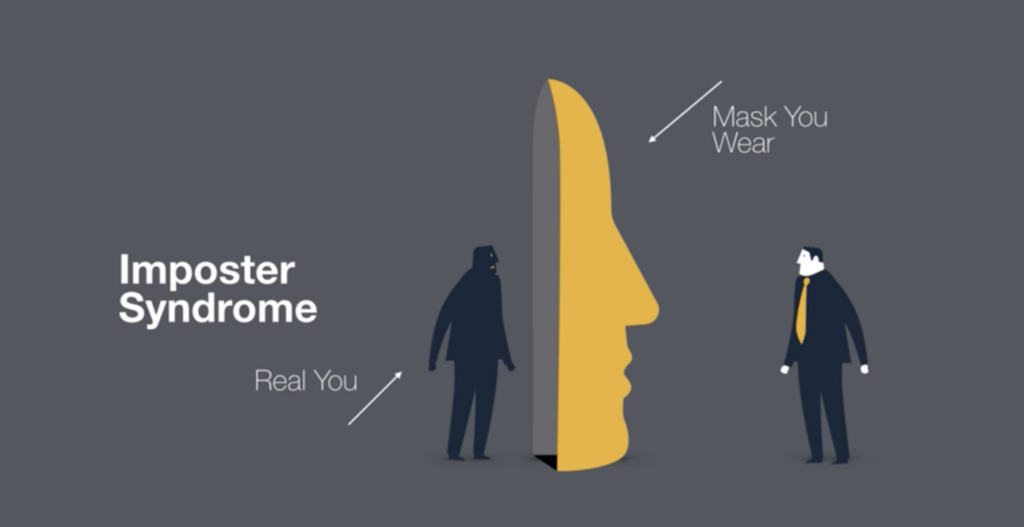
Imposter syndrome is a common internal experience that can occur to anyone even in the fitness world. The good news is that individuals who might experience Imposter Syndrome can work on these tendencies and slowly chip away and overcome these thoughts and feelings.
What is Impostor Syndrome?
Imposter Syndrome is when an individual believes that the good fortune or positive opportunities, they have experienced is a result of luck, and not their hard work or skill.
Often, individuals who experience this do so despite past moments of success or accomplishment. Due to this fact, feelings of Imposter Syndrome commonly conflict with what others around the person might think or believe to be true. Imposter Syndrome can impact thoughts and feelings that emerge in work and even personal situations. A common non-fitness-related example is a situation where someone just got promoted to a new role and feels insecure.
This individual might think thoughts like, “Am I the right person for the job?”, “Did I get here only by luck?”, and “What if I am not cut out for this?” As this example shows, these thoughts are fueled by feelings of insecurity and doubt.
A more fitness example, for wellness coaches out there, might include a situation where a person used to be extremely overweight and sedentary but is now more active and has lost that weight.
Despite that this person regularly exercises and accomplishes their personal fitness goals, he or she might still feel that they are out of place or believe that they do not quite belong in the fitness community. This individual might think or feel this despite others around them seeing clear evidence that they do belong to this community.
8 Steps To OVercome Impostor Syndrome
There are eight recommended steps to get over Imposter Syndrome:
#1 Increase Self-awareness & Reflect
Become self-aware of your thoughts and feelings, and perhaps which type you identify from the list above. Being aware of tendencies or a type can take some time, so it might be helpful to keep track in a journal or make a list of what you notice and spend some time reflecting.
#2 Identify When it Occurs
As you utilize the self-awareness and reflection identified in step one, notice which situations and events the Imposter Syndrome comes up in more frequently. Continue to build on that journal or list to help keep track of trends and situations that evoke more of a response.
#3 Utilize Cognitive Reframing
As you become more and more familiar with what thoughts you might be having related to Imposter Syndrome; it will be helpful to challenge your self-talk with cognitive reframing. When you notice, you might say to yourself something that is not true, reframe the thought into a more adaptive and true statement, and repeat this to yourself. Continue to repeat this true statement and affirmation as many times as is helpful to continue to strengthen this new mindset.
#4 Make a list of your “evidence”
It is important to realize that Imposter Syndrome often appears despite evidence of success and accomplishment. Due to this, it can be helpful to make a list of all successes and accomplishments that relate to what you feel insecure about. Pull up and reference this list when you start to feel that the Imposter Syndrome feelings and thoughts are taking over. This will help remind you of what is true in moments you need it most.
#5 Practice, Practice, Practice
Practice makes progress, so the next tip is to continue to utilize steps one through four in an ongoing fashion. These four tools can continue to be revisited and restarted anytime you need them. The more you do any of these items, the better you will get at noticing them, identifying trends, utilizing cognitive reframing, and reminding yourself of your successes.
#6 Trust the Process
It is important to trust the process. Change takes time, especially while modifying core beliefs. Changing the cognitions and feelings that relate to these core beliefs takes ongoing motivation and consistency. It is important to know that there will be days that feel easy, and days that might feel harder. Trust that over time practicing these skills will continue to help this resolve.
#7 Demystify the Myth of Perfectionism
An important myth to demystify when it comes to Imposter Syndrome is the idea of perfectionism. It is essential to remember that perfectionism does not exist. Working towards accepting and believing this can make significant progress on reducing Imposter Syndrome.
#8 Don’t be afraid to utilize additional support
If you find that Imposter Syndrome is having a significant impact on your life, it is always best to talk to your Primary Care Physician and/ or work with a therapist who can help provide a standard of care that might be needed. Don’t be afraid to utilize additional support you may need in this process.
As these tips show, getting over Imposter Syndrome takes time and diligence. The good news is that these tools when used regularly can help make a positive difference.
Types of Impostor Syndrome
There are various types of Imposter Syndrome: the soloist, the superhero, the natural genius, the perfectionist, and the expert.
Soloist
The soloist type will often be reluctant to ask their social support for assistance out of the belief that they should know the detail or fact already. They might believe that only imposters, or frauds, would ask for help and it can be perceived as a flaw.
In the fitness environment, it might be a fitness center member who does not ask the personal trainer available onsite even if they have a question. It could also be a newly hired personal trainer who does not feel comfortable asking a veteran personal trainer a question since they “should know this already.”
The Superhero
The superhero type will often be associated with individuals who are high achievers and expect that he or they should work harder than everyone else.
This is often fueled by the desire to not appear weak or incompetent before others, and the fear of failure in the event they do not push themselves hard enough. In the fitness environment, this could be a person that believes they need to work harder than everyone else, and if they don’t, they will appear pathetic.
The Natural Genius Type
The natural genius type will often expect that they should achieve what they set out to achieve the first time they try something. This leads to more frustration if they do not get something as easily on the first try. It can also lead to fear of trying something new due to not wanting to “get it” right away.
In the fitness environment, this could be a fitness center member who just joined the gym and believes that each new exercise they try should come easily. When it does not, they could get easily frustrated. They could then minimize trying new exercises due to not wanting to appear a novice or because the exercise continues to be challenging.
The Perfectionist
The perfectionist type is just like it sounds. Those who identify as this type do not like making mistakes, feel bad if they make mistakes, and believe that they should be correct one hundred percent of the time. They are also hyper-focused on flaws and inconsistencies in their efforts rather than their successes since they fear any imperfection will be viewed negatively by others.
In the fitness environment, this could be a personal training client who gets upset or frustrated at themselves if they do not perform an exercise correctly. If their trainer tells them they did a great job, they might respond with what was not perfect in their attempt, or that they could do better the next time.
The Expert Type
The expert type will often constantly seek out more and more information since they never believe they have enough to be successful, despite conflicting evidence that they do. If they end up not knowing a detail or fact, they might be reluctant to take on a project or task at hand. In the fitness environment, this could be a fitness professional who constantly believes they do not know enough to be great at their job.
Burrito bowls are all the rage right now, and it’s easy to see why. They’re simple to make, totally customisable, and full of fresh nutritious ingredients that leave you feeling as good as they taste.
The premise is simple. Load your bowl up with a grain, like rice or quinoa, a protein, like chicken, tofu or steak, and then top with beans and veggies. Add any extras that you’re craving such as Pico, creamy avocado, or tangy lime, and voila – a meal that satisfies all the burrito cravings, without the tortilla. Burrito bowls tend to have more veggies, and overall food volume, than a standard burrito, meaning they can be more nutritious and keep you full for longer.
You can make up your burrito bowl recipe as you go along, or you can try our fajita chicken burrito bowl recipe. Bursting with flavour, we’ve layered with charred seasoned chicken, lime rice, creamy avocado, black beans, and veggies.
It’s only 433 kcals per portion and is packed with 45g of protein and only 2g of saturated fat – making it the perfect meal option for anyone who’s counting calories or trying to up their protein. Burrito bowls keep well in the fridge too, so if you fancy making it for meal prep, just double up on ingredients for every portion.
We’ve gone classic with our recipe, but remember you can customise and add any extra ingredients or vegetables you might have in your fridge to reduce food waste.
Serves: 1
Prep time: 15 mins
Cook time: 25 mins
Ingredients:
Chicken:
120g chicken breast
9g fajita seasoning
Low calorie oil spray
Rice:
30g long grain white rice
60ml chicken stock
1 tsp crushed garlic
¼ lime, juiced
1 tbsp coriander, finely chopped
Fajita Bowl:
25g lettuce, shredded
30g black beans, washed and drained
30g sweetcorn, drained
15g red onion, sliced
¼ avocado, sliced
1 tbsp fresh salsa
Fresh lime and chilli flakes to serve
Method:
In a shallow dish or bowl, coat the chicken breast with a few sprays of low-calorie oil spray and the fajita seasoning.
Spray a frying pan with low-calorie oil spray, sear chicken on both sides and cook for about 8 mins per side on a medium to high heat. The chicken should be charred but juicy.
Once cooked, leave the chicken to rest on a warm plate and cover with foil.
While the chicken is resting, cook your rice: combine rice, stock, and garlic in a pan over high heat. Mix well and bring to a boil. Then reduce the heat and cover with a lid until the rice is cooked through.
Fluff up the rice with a fork and mix with lime juice and coriander. Add this to your bowl.
Next slice the cooked chicken into strips and add the lettuce, beans, corn, and onion on top of your rice.
Top with avocado slices, a squeeze of lime and sprinkling of chilli flakes.