Blog

My Evening Routine That Supports Recovery

Evenings are when I unwind and prime my body for rest. I dim the lights, stretch for 10 minutes, and put my phone away early. That wind-down time helps me sleep deeper and recover better.

I avoid heavy meals late at night and opt for a light protein-rich snack if I’m hungry. Sometimes I journal or plan tomorrow’s training. This routine lowers stress, improves sleep quality, and supports better decision-making the next day.

Recovery doesn’t stop at the gym—it continues in your daily habits. Evening is where the repair begins.

Jean Paul Rivas

Tips for Seniors Starting Fitness Training

Starting fitness later in life? I always encourage seniors to focus on movement quality, balance, and gentle strength work. I recommend low-impact exercises like walking, swimming, resistance bands, and bodyweight training.

It’s about building confidence, improving mobility, and preventing falls. Progress might be slower, but the benefits to health and independence are huge.

No matter your age, it’s never too late to start. Small steps lead to big changes.

Jean Paul Rivas

The Power of Micro Goals

Big goals are exciting—but they can also feel overwhelming. That’s why I break them into micro goals. Instead of “lose 10kg,” I say, “hit 4 workouts this week” or “drink 2 liters of water daily.”

It shifts the focus to action, not outcome. Micro goals build momentum. Every small win adds up and fuels the next one. It’s how I stay on track without feeling crushed by the big picture.

Small steps, taken consistently, lead to big results. That’s the mindset I live by—and teach.

Jean Paul Rivas

Myth: You Have to Train Every Day to See Results

Rest days are just as important as training days. I used to think I had to train every day to make progress—burnout proved otherwise. Recovery fuels growth, prevents injury, and keeps motivation high.

I schedule 1-2 rest or active recovery days per week—light walks, stretching, or yoga. Listening to my body has been key to long-term success. Train smart, not hard every single day.

Jean Paul Rivas

Foam Rolling: My Daily Reset Button

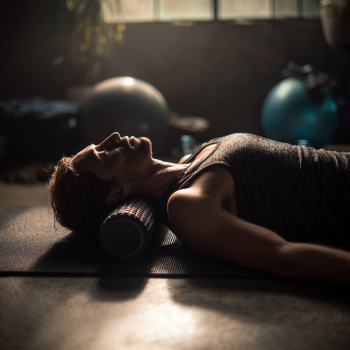
Foam rolling isn’t just something I do when I’m sore—it’s part of my daily routine. It helps reduce tension, improve circulation, and prepare my body to move better.

I focus on my quads, calves, back, and glutes—anywhere that feels tight. It’s a bit uncomfortable at first, but I breathe through it and feel looser almost instantly.

Think of it like brushing your teeth—but for your muscles. A few minutes a day can make a huge difference in how you feel and perform.

Jean Paul Rivas

How I Use Hydration to Boost Performance

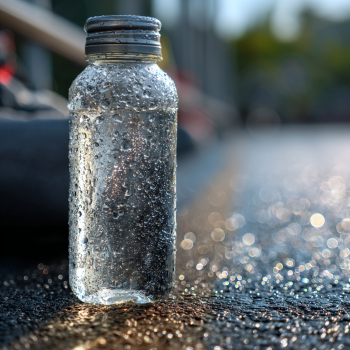
Water is my simplest performance booster. I hydrate consistently, not just when I’m thirsty. Dehydration zaps energy, focus, and strength, so I keep a water bottle with me all day.

Before workouts, I drink at least 500ml to stay sharp. After, I rehydrate to recover. Sometimes I add electrolytes if it’s hot or long training days. Hydration supports every system in your body—it’s the foundation of feeling good.

Jean Paul Rivas

How I Train With Just My Bodyweight

No gym? No gear? No problem. Bodyweight training is underrated, and I’ve built entire workouts using nothing but gravity and grit. Think push-ups, squats, lunges, planks, dips—every rep counts.

It’s not just about reps—it’s about how you do them. I slow down, increase range of motion, and add holds to increase the challenge. Bodyweight work improves control, joint health, and endurance.

It’s portable, scalable, and incredibly effective. If you’ve ever said, “I don’t have time or equipment,” bodyweight is your answer.

Jean Paul Rivas

The Role of NEAT in Fat Loss

Most people think fat loss is all about workouts. But what you do outside the gym—your daily movement, or NEAT (Non-Exercise Activity Thermogenesis)—plays a huge role.

I make a habit of walking, standing, stretching, and staying active throughout the day. Parking farther, taking stairs, walking while I talk—it all adds up. These small choices can burn hundreds more calories each day.

If fat loss is your goal, don’t just count workouts—count movement. Move often, not just hard.

Jean Paul Rivas

My Go-To Muscle-Building Split

When building muscle is the goal, structure matters. I use a push/pull/legs split—three focused workouts, each targeting different movement patterns. It allows for maximum recovery and intensity.

Push day hits chest, shoulders, and triceps. Pull works back and biceps. Legs day—well, that’s where the real challenge lives. Squats, lunges, deadlifts. I train 4–5 days per week, rotating based on how I feel.

Consistency and progressive overload are key. I log my lifts, track volume, and adjust when needed. If your goal is growth, train with purpose—and recover just as seriously.

Jean Paul Rivas

My Favorite High-Protein Snacks

Keeping my energy up between meals is key, and I always reach for snacks that pack protein. It keeps me full, helps with recovery, and stops me from reaching for junk.

My go-tos? Greek yogurt with berries, boiled eggs, protein shakes, roasted chickpeas, and beef jerky. I also keep protein bars on hand—but I check labels for sugar.

Snacking doesn’t have to sabotage your goals. When you choose protein-packed options, it supports muscle growth and appetite control. It’s not about eating less—it’s about eating smarter.

Jean Paul Rivas